
Why small controller batteries can become a big cooling risk
A small component with a critical role
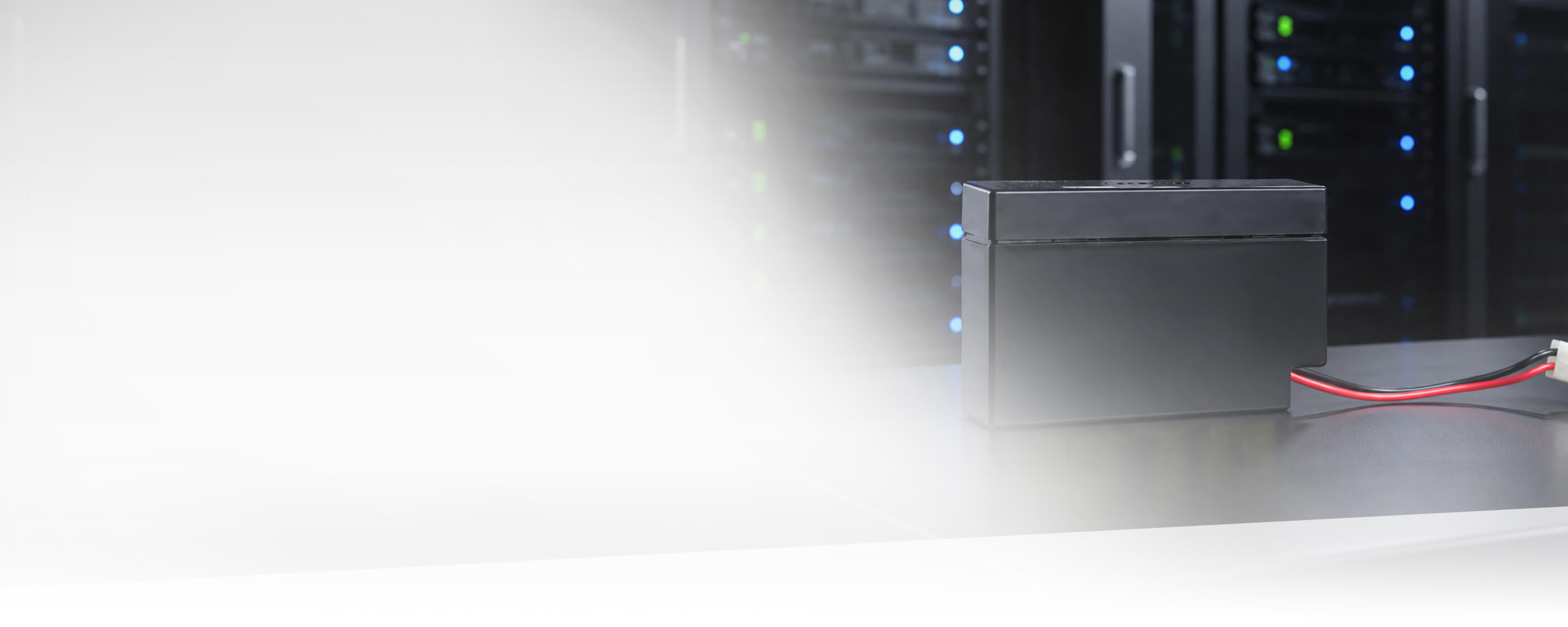
In critical cooling, not every risk comes from a major component. Sometimes, a relatively small battery module can have a much bigger role than its size suggests. In DX cooling equipment, the Electronic Expansion Valve, or EEV, relies on a battery module to provide temporary back-up power if the mains supply is interrupted. Its role is to make sure the valve can move to its safe position following a loss of supply. That may sound like a small detail, but it can be essential for protecting the refrigeration circuit.
What happens during a power interruption?
During normal operation, the EEV battery module remains charged. If the mains supply is interrupted, the module provides enough power for the EEV driver to complete a controlled valve closure. Once power is restored, the battery recharges and returns to standby operation. The reason this matters is simple: the valve needs to close correctly to prevent refrigerant from continuing to migrate through the evaporator and suction line. If the battery module has failed, the valve may remain open after a power interruption. When the compressor restarts, too much liquid refrigerant can return to the compressor. This is known as liquid floodback.
Why liquid floodback is such a risk
Compressors are designed to compress vapor, not liquid. Liquid refrigerant is incompressible, so if it returns to the compressor in the wrong condition, the consequences can be serious. Liquid floodback can lead to oil dilution, bearing and scroll wear, damage to internal mechanical components, reduced compressor efficiency and, in the worst case, complete compressor failure. Repeated events can also contribute to overheating, loss of lubrication and contamination of the refrigeration circuit. In a data centre or other critical environment, that is not just a component issue. It can become an availability issue.

Why age matters
Like any battery, an EEV battery module has a limited service life.
The manufacturer recommends replacing the EEV battery module every five years, based on an ambient operating temperature of 25°C. Service life can be reduced by factors such as elevated ambient temperatures, continuous operation in high-temperature environments, frequent power interruptions, and normal battery degradation. That means a battery module should not be treated as a “fit and forget” component. It should be part of planned preventative maintenance and lifecycle planning.
The STULZ approach
STULZ can help identify whether your DX equipment is fitted with EEV battery modules and whether replacement should be considered as part of a reliability plan.
Depending on the installation, this can include:
1. Equipment verification
Not all unit types are fitted with EEV battery modules. STULZ can verify this based on the unit model and serial number.
2. Lifecycle review
Existing battery modules can be reviewed against their expected service life, the operating environment, and site history.
3. Planned replacement
Where modules are approaching or beyond the recommended replacement interval, proactive replacement can be planned as part of regular maintenance rather than waiting for a fault condition.
4. Critical spare parts advice
STULZ can help identify recommended spare parts for the specific unit type and configuration.
The goal is simple: to reduce the risk of avoidable compressor damage and support reliable operation during and after power interruptions.
Look beyond the size of the component
A small battery module may not look like a major part of the cooling system, but its function can be critical. If it fails at the wrong moment, the impact can reach far beyond the battery itself. Proactive inspection and replacement help protect the refrigeration circuit, reduce the risk of compressor damage, and minimize unplanned downtime.
More in our Cooling Practice series:
Cooling Practice 1
Why high pressure alarms return every summer.